

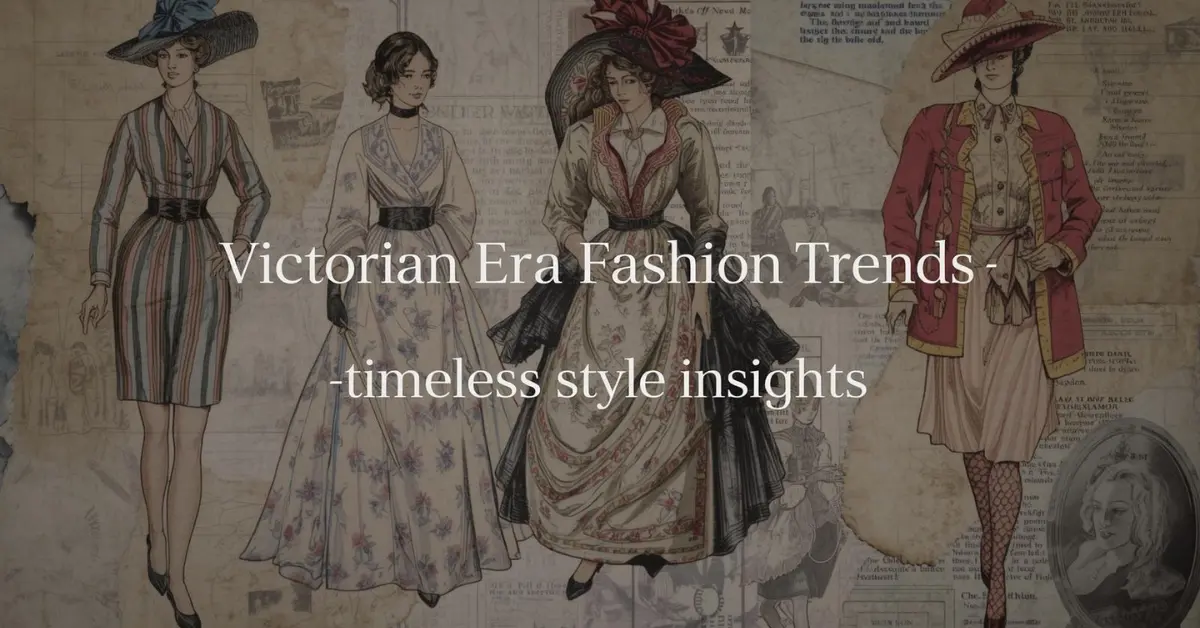
Introduction
When you hear “Victorian Era Fashion Trends,” what probably comes to mind are elegant gowns, towering hats, and perfectly polished top hats. But fashion in the Victorian era was more than just clothing-it was a reflection of society, culture, and even technological progress. Spanning Queen Victoria’s reign from 1837 to 1901, this period saw dramatic shifts in style that mirrored the social hierarchy, moral values, and emerging industrial advancements of the time.
Clothing wasn’t just about looking good; it communicated who you were, your status, and even your intentions. Women’s elaborate dresses with layers of petticoats and corsets weren’t just for aesthetics-they signaled discipline, refinement, and a keen sense of social etiquette. Men’s tailored suits, waistcoats, and accessories like pocket watches did more than keep them warm-they showed sophistication, wealth, and cultural awareness.
Victorian fashion also evolved alongside major cultural and technological changes. The Industrial Revolution made fabrics and mass-produced clothing more accessible, allowing even the middle class to adopt elements of the latest styles. At the same time, fashion rules were heavily influenced by etiquette and societal expectations, making it a careful dance between expression and conformity.
Think about it: today, when we see lace, corsets, or layered skirts on runways, we’re looking at a style that has endured for centuries. Victorian Era Fashion Trends continue to inspire modern designers, film costume departments, and even everyday fashion enthusiasts who want a touch of timeless elegance in their wardrobe.
Table of Contents
Key Characteristics of Victorian Fashion
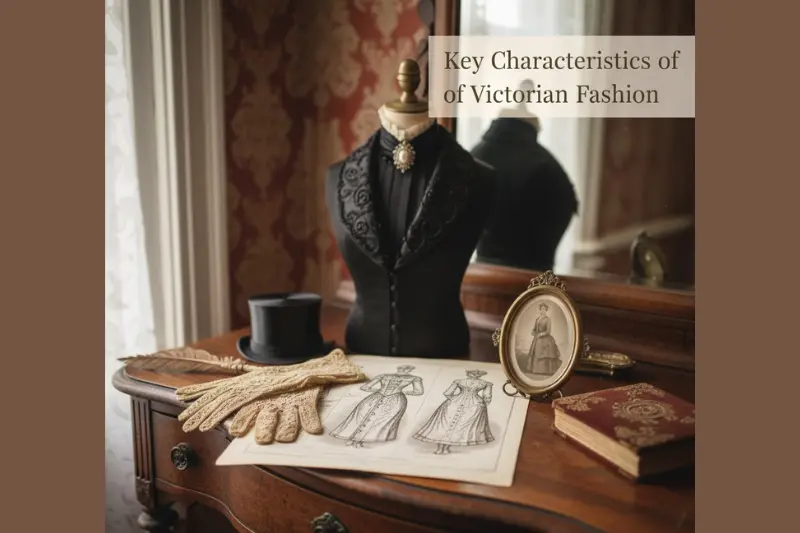
Victorian Era Fashion Trends weren’t random-they followed very specific principles that made the style instantly recognizable even today. One of the most striking features was structure. Women’s garments were carefully shaped, often with corsets and fitted bodices that emphasized an hourglass silhouette. Men’s suits were tailored to perfection, with strong shoulders, slim waists, and carefully cut trousers that conveyed discipline and sophistication.
Layers were another defining characteristic. Women’s skirts weren’t just one piece-they often included petticoats, crinolines, and overskirts that added volume and drama. Even in casual settings, layers were used to balance modesty and style. Men, too, layered shirts, waistcoats, and jackets, creating a polished look that could easily transition from formal events to daily life.
Attention to detailing set Victorian fashion apart. Lace trims, embroidery, ribbons, buttons, and delicate pleats weren’t just decorative-they were symbols of status and craftsmanship. A single brooch or a pair of gloves could communicate wealth and taste, subtly reinforcing social hierarchy without a word being spoken.
Color palettes also played an important role. Early Victorian fashion favored lighter, pastel colors, reflecting innocence and youth, while the later era leaned toward rich, darker tones like deep greens, purples, and blacks, often signaling maturity and respectability. Even the choice of fabric color could make a social statement, whether at a formal ball or a quiet afternoon gathering.
These core characteristics show why Victorian fashion was more than clothing-it was a carefully curated expression of identity, societal values, and artistry. Looking closely at these elements helps us understand why these trends continue to influence designers and fashion enthusiasts even today.
May be you like it:
Letterman Jacket Designs – Classic Meets Modern Style
Best Makeup Remover Oil for Clear, Radiant Skin
Luxury Fashion Trends 2022 – Elegance Redefined
Health and Wellness Newsletter – Your Weekly Life Boost
Women’s Fashion Trends
When it comes to Victorian Era Fashion Trends, women’s clothing is often the first thing that comes to mind-and for good reason. The era was defined by its dramatic silhouettes, elaborate layers, and attention to detail, all designed to convey elegance, refinement, and social standing.
At the heart of it all was the corset. This wasn’t just a piece of clothing-it was a statement. Corsets shaped the torso into the iconic hourglass figure, emphasizing a narrow waist while supporting the posture expected of a well-bred lady. Yes, some were so tightly laced they could make breathing a challenge, but for Victorian women, wearing a corset was about embodying discipline, grace, and societal expectations.
Underneath the dresses, layers of petticoats and crinolines added volume and drama. Crinolines, often made with horsehair or steel hoops, allowed skirts to flare out widely, giving the wearer an almost theatrical presence. Petticoats added softness and structure, creating movement that was both elegant and eye-catching. Imagine walking into a ballroom with your skirt swishing in perfect harmony with each step-it was style and performance rolled into one.
The hourglass silhouette became the defining visual of the era. Dresses were carefully tailored at the bodice, flaring out at the hips to create a balanced, dramatic shape. This silhouette wasn’t just about aesthetics; it reflected a woman’s role in society, her status, and even her adherence to social norms.
Accessories played a big supporting role. Gloves, lace collars, delicate hats, and jewelry completed the look, showing attention to detail and personal taste. Even something as small as a ribbon or a cameo could signal refinement.
Here’s a little reflective thought: Have you ever tried layering clothing for warmth or style and noticed how each piece changes the overall look? That’s exactly what Victorian women mastered-layering wasn’t just practical, it was art.
Men’s Fashion Trends
When discussing Victorian Era Fashion Trends, it’s easy to focus on women’s extravagant dresses, but men’s fashion was just as deliberate and meaningful. The era emphasized structure, refinement, and sophistication, and every element of a gentleman’s attire communicated something about his status, profession, and character.
At the core of men’s style were tailored suits. Jackets were carefully fitted to accentuate the shoulders and chest, while trousers were cut straight or slightly tapered, creating a sleek and disciplined silhouette. The attention to fit wasn’t just about looking sharp-it was a reflection of social discipline and personal pride.
Waistcoats added another layer of elegance and practicality. Often made from luxurious fabrics like silk or velvet, waistcoats were a canvas for patterns, colors, and fine detailing. They also allowed men to carry pocket watches or small accessories, merging function with style.
No Victorian gentleman was complete without a top hat. More than just headwear, top hats were a symbol of sophistication, authority, and respectability. Bowler hats, caps, and other variations allowed for subtle personal expression, while maintaining the decorum expected in society.
Accessories were the finishing touch. Pocket watches, canes, gloves, and cravats weren’t just decorative-they subtly conveyed taste, attention to detail, and social awareness. Even something as small as a patterned cravat could distinguish a fashionable man from a more conservative peer.
Here’s a little real-life insight: Think of modern formalwear-suits and ties are still structured, waistcoats make a comeback on special occasions, and accessories like watches and cufflinks continue to communicate personal style. Victorian men set the blueprint for all of this.
Accessories and Details: Jewelry, Gloves, Hats, Ribbons, and Lace as Status Symbols
In Victorian Era Fashion Trends, the details often spoke louder than the clothing itself. Accessories weren’t just decorative-they were subtle markers of wealth, taste, and social standing. Every piece had a purpose, and every choice communicated something about the wearer.
Jewelry was more than an adornment. Pearls, cameos, brooches, and lockets often carried sentimental or symbolic value, while also showcasing wealth and refinement. A carefully chosen piece could elevate a simple dress into a statement of sophistication.
Gloves were another essential. Worn both indoors and outdoors, gloves were a measure of etiquette and cleanliness. Long gloves added drama to evening gowns, while shorter gloves were practical for daily wear-but either way, they signaled attention to social norms.
Hats were indispensable. Women’s bonnets and men’s top hats weren’t just about sun protection-they framed the face, completed the silhouette, and indicated social status. The size, material, and decoration of a hat could instantly convey class, profession, or occasion.
Ribbons and lace played a more subtle but equally powerful role. Lace trims on collars, cuffs, and skirts signaled wealth because of their intricacy and cost. Ribbons were often used to add color or indicate personal taste, creating a visual signature that made an outfit uniquely the wearer’s.
Here’s a little human insight: Today, we might use watches, handbags, or statement shoes in a similar way-small accessories that carry big meaning. Victorian accessories were essentially the original “subtle flex,” showing the world exactly who you were without saying a word.
Social and Cultural Influence: How Fashion Reflected Class, Etiquette, and Societal Norms
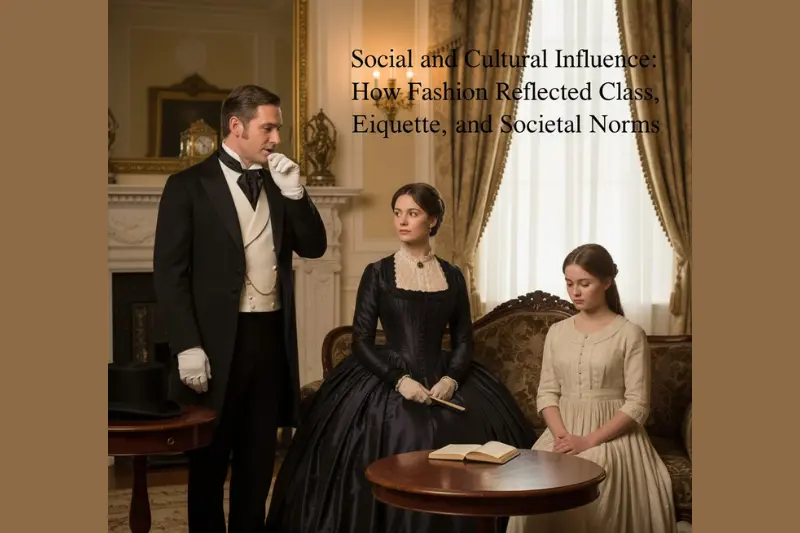
Victorian Era Fashion Trends weren’t just about looking stylish-they were a mirror of society itself. Every outfit, accessory, and silhouette carried unspoken messages about class, behavior, and values. Understanding the social and cultural influence of fashion helps us see why this era’s style remains iconic today.
Class distinctions were clear in clothing. The wealthy could afford rich fabrics, elaborate embellishments, and multiple layers, while the middle and lower classes wore simpler, practical clothing. A well-placed lace trim or a silk ribbon wasn’t just pretty-it signaled social standing. In many ways, fashion functioned like a visual résumé, communicating wealth, education, and taste without a single word.
Etiquette and social expectations also shaped style. Women were expected to dress modestly yet elegantly, balancing beauty with propriety. Men’s attire emphasized discipline and respectability, reinforcing societal roles. Even minor mistakes-like wearing the wrong gloves or an ill-fitting jacket-could be seen as a breach of etiquette. Fashion wasn’t just personal-it was deeply social.
The Victorian era also reinforced gender roles through clothing. Women’s layers, corsets, and flowing skirts emphasized grace, delicacy, and refinement, while men’s structured suits and accessories highlighted authority, practicality, and public presence. Fashion became a tool for teaching, reinforcing, and displaying cultural norms in everyday life.
Here’s a reflective question for you: Have you ever noticed how the clothes we wear today still send subtle messages about who we are, our profession, or our lifestyle? Victorian fashion perfected this language of style-where every detail had meaning.
May be you like it:
Vintage Jackets for Women – Timeless Retro Style
Makeup Looks for Wedding – Elegant & Timeless Styles
Trends in Fashion 2014 – The Styles That Ruled the Year
Lifestyle Baseball – Where Sport Meets Everyday Style
Fabric and Material Choices: Silk, Velvet, Lace, and the Role of Industrialization
When exploring Victorian Era Fashion Trends, the choice of fabric was just as important as the design itself. Materials didn’t just affect the look-they reflected wealth, status, and technological progress, making them a critical part of fashion’s story.
Silk was prized for its smooth texture and natural sheen, often used in evening gowns, waistcoats, and decorative trims. Wearing silk signaled refinement and luxury, since it was expensive and sometimes imported from faraway lands. Velvet, with its rich, plush feel, added depth and elegance to dresses, coats, and accessories, making the wearer stand out in any social gathering.
Lace deserves special attention-it was delicate, intricate, and often handmade, making it a symbol of sophistication and patience. From collars and cuffs to entire overlays on skirts, lace allowed for elaborate decoration that conveyed both wealth and attention to detail. Even small touches, like a lace-edged handkerchief, spoke volumes about refinement.
Industrialization played a huge role in fashion during this era. The advent of mass textile production and mechanized looms made previously rare fabrics more accessible, allowing middle-class families to adopt elements of upper-class style. Printing, dyeing, and fabric treatments evolved, giving designers more freedom to experiment with patterns, colors, and textures. This meant Victorian Era Fashion Trends weren’t just elite-they were slowly democratizing, blending tradition with innovation.
Here’s a little real-life insight: Think about how we value materials today-cashmere, silk, or designer lace still carry prestige. Victorian fashion set the blueprint for this enduring relationship between fabric, quality, and status.
Seasonal and Event-Based Fashion: Daily Wear, Evening Wear, and Formal Attire
One of the fascinating aspects of Victorian Era Fashion Trends was how clothing changed depending on the occasion or season. Unlike today’s casual approach, Victorians had a very specific wardrobe for daily life, social events, and formal occasions-each outfit carefully crafted to reflect propriety, style, and practicality.
Daily wear was designed for practicality while still adhering to social norms. Women’s day dresses were simpler, made from lighter fabrics like cotton or wool, and allowed for mobility while managing household tasks or social visits. Men’s everyday attire consisted of tailored suits, often in darker, more durable fabrics, paired with practical accessories like hats and gloves suitable for travel or work.
Evening wear was a chance to shine. Women would layer heavier fabrics like silk or velvet, add lace trims, and accessorize with jewelry, gloves, and elaborate hairstyles. The silhouette became more dramatic, often with fuller skirts and fitted bodices, allowing ladies to command attention at balls, dinners, or theatre outings. Men also upgraded their attire-dinner jackets, cravats, and polished shoes created a refined and elegant look, signaling readiness for social interaction and sophistication.
Formal attire took this even further. Weddings, state events, or high-society gatherings required strict adherence to style codes. White or pastel gowns, intricate embroidery, and carefully chosen accessories defined a woman’s presence, while men donned full suits, waistcoats, and sometimes ceremonial items like pocket watches or canes. The goal was to convey respect, wealth, and social standing through every detail.
Here’s a little reflective question: Imagine being invited to a modern gala-would you feel that your outfit communicates your personality, status, or respect for the event? Victorians mastered this concept; every choice of fabric, layer, and accessory carried meaning, making fashion a language of social interaction.
Legacy and Modern Influence
Even more than a century later, Victorian Era Fashion Trends continue to leave a mark on the fashion world. The era’s emphasis on structure, detailing, and elegance has inspired designers, costume creators, and even everyday style enthusiasts to incorporate timeless elements into modern wardrobes.
Modern designers often reimagine corsets, lace, and layered skirts for contemporary collections. Runways in Paris, Milan, and New York frequently showcase silhouettes reminiscent of Victorian shapes-cinched waists, flowing skirts, and intricate embroidery-proving that elegance never goes out of style. Even accessories like gloves, hats, and brooches have made comebacks, highlighting how details can transform a look.
Victorian fashion also influences media and entertainment. Period dramas, historical films, and TV series rely heavily on authentic Victorian styling to tell stories visually. From the intricate gowns in Bridgerton to the structured suits in Sherlock Holmes adaptations, these designs transport audiences back in time while reminding us how relevant these styles remain.
There’s also a subtle influence in everyday fashion. Elements like lace blouses, high collars, layered skirts, and tailored jackets trace their roots to Victorian trends. Even modern bridal fashion owes much to Victorian silhouettes and embellishments, blending tradition with contemporary tastes.
Here’s a reflective thought: Next time you spot a lace-trimmed dress, a structured blazer, or a delicate brooch, consider how Victorian elegance shaped the choices we make today. Fashion isn’t just clothing-it’s history you can wear.
Iconic Styles and Fashion Icons
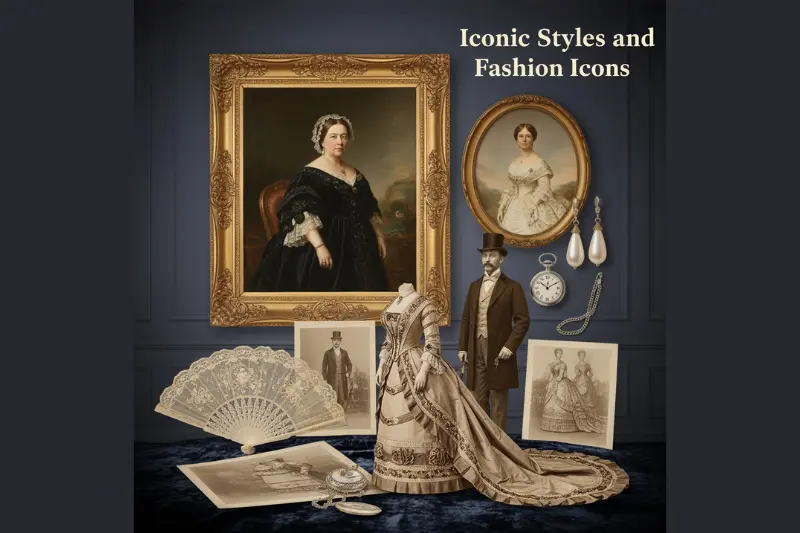
No discussion of Victorian Era Fashion Trends is complete without highlighting the icons and signature styles that shaped the period. Fashion in the Victorian era wasn’t just about trends-it was also about personalities who set the standard and inspired generations.
Queen Victoria herself was arguably the most influential figure. Her preference for modest yet elegant gowns, dark colors following Prince Albert’s death, and careful attention to etiquette established a visual code that society widely emulated. Her personal style popularized mourning attire and cemented the association of black with dignity and respectability.
Other notable fashion icons included actresses, socialites, and even literary figures. Women like Sarah Bernhardt embraced dramatic silhouettes and luxurious fabrics, showcasing how style could express individuality while still adhering to societal norms. Men like Beau Brummell, though slightly pre-Victorian, influenced the era’s obsession with tailored suits, crisp collars, and impeccable grooming-a standard that persisted well into the late 1800s.
Signature styles also left a lasting impression. The crinoline, corset, and bustle became symbolic of women’s fashion, while top hats, waistcoats, and pocket watches defined the quintessential gentleman. Even minor details like lace collars, ribbons, and cameo brooches carried social meaning, showing how fashion and identity were intertwined.
Here’s a little human insight: Fashion icons of the Victorian era didn’t just follow trends-they created them. Today, we see the same pattern with influencers and designers shaping what becomes stylish, proving that the connection between personal taste and societal impact has always been at the heart of fashion.
FAQs
What defines Victorian Era Fashion Trends?
They are characterized by structured silhouettes, layers, intricate detailing, and a focus on social status.
Why were corsets so popular in Victorian fashion?
Corsets created the iconic hourglass shape and reflected elegance, discipline, and societal expectations.
What fabrics were most used in Victorian clothing?
Silk, velvet, lace, cotton, and wool were common, often chosen for status, season, and occasion.
How did Victorian fashion reflect social class?
Clothing, accessories, and colors signaled wealth, etiquette, and adherence to societal norms.
Do Victorian fashion trends influence modern style?
Yes, designers, bridal wear, and media still draw inspiration from Victorian silhouettes, lace, and accessories.
Conclusion
Victorian Era Fashion Trends weren’t just about clothing-they were a reflection of society, identity, and artistry. From structured corsets and layered skirts to tailored suits and carefully chosen accessories, every detail told a story about status, etiquette, and personal taste. These trends continue to inspire designers, media, and fashion enthusiasts today, proving that elegance and attention to detail never go out of style.
By exploring these styles, fabrics, and iconic figures, we not only appreciate the beauty of the era but also understand how fashion can communicate culture and personality. So next time you notice a lace trim, a tailored blazer, or a vintage-inspired gown, remember: you’re glimpsing a piece of history that still shapes how we express ourselves through clothing.
May be you like it:
DST Jackets – Trendy Designs for Every Season
Makeup 50s – Timeless Beauty Trends That Still Inspire
latest trends in fashion for ladies 2025 hamptons
Lifestyle at Los Paseos – Modern Living & Community Vibes
