


Introduction
When most people think of chiropractic care, they picture a clinic visit lying on a table while a chiropractor performs an adjustment. That’s helpful, of course, but it’s only part of the story. Lifestyle chiro is about taking those same principles and integrating them into your everyday routines, so your spine, muscles, and joints stay healthy long after you leave the clinic.
Why does this matter? Because your body isn’t a machine you can “fix” once and forget. Poor posture, long hours of sitting, and repetitive movements gradually take a toll, leading to stiffness, discomfort, and even chronic pain. Lifestyle chiropractic focuses on proactive care the little habits and adjustments that prevent problems before they start.
Think of it like this: clinic-based adjustments are like servicing your car at a mechanic, while lifestyle chiro is the daily care you provide yourself checking tire pressure, topping up fluids, and driving smoothly. Both are important, but daily habits often make the biggest difference over time.
Table of Contents
The Importance of Posture Awareness
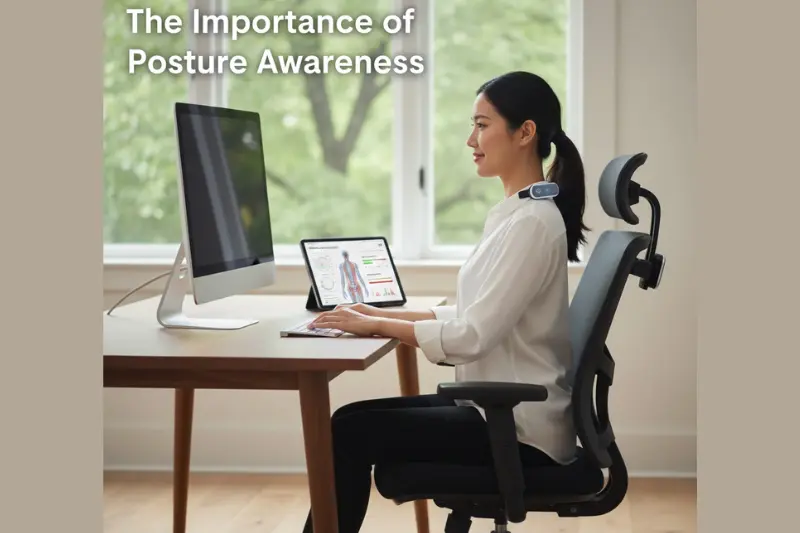
Posture isn’t just about looking confident it has a huge impact on your spine, energy levels, and overall comfort. Poor posture can cause more than a sore back or stiff neck; it can lead to chronic tension, headaches, and even fatigue. That’s why lifestyle chiro emphasizes building awareness around how you sit, stand, and move every day.
When your body is out of alignment, certain muscles overwork while others weaken. This imbalance can make simple daily tasks feel tiring, like lifting groceries, climbing stairs, or even focusing at your desk. On the flip side, maintaining proper posture helps your body move efficiently, reduces strain on your joints, and even supports better breathing and digestion.
Here are some practical tips to stay aligned throughout the day:
- Shoulder check: Keep your shoulders relaxed and rolled back instead of hunched forward.
- Head position: Align your ears with your shoulders; avoid jutting your head forward when using phones or computers.
- Micro-breaks: Take short breaks every hour to stand, stretch, or walk around even a two-minute reset helps.
- Engage your core: A slightly engaged core stabilizes your spine when sitting or standing.
- Visual reminders: Set phone alarms or sticky notes to prompt posture awareness.
May be you like it:
Letterman Jacket Designs – Classic Meets Modern Style
Best Makeup Remover Oil for Clear, Radiant Skin
Luxury Fashion Trends 2022 – Elegance Redefined
Health and Wellness Newsletter – Your Weekly Life Boost
Daily Movement and Mobility
Sitting for hours on end is practically a modern-day epidemic. Even if you see a chiropractor regularly, without daily movement, your spine and muscles can quickly become stiff and tense. That’s why lifestyle chiro emphasizes incorporating small exercises, stretches, and micro-movements into your routine it’s about keeping your body active, even in tiny ways.
You don’t need a full gym session to make a difference. Micro-movements throughout the day can dramatically improve circulation, reduce stiffness, and maintain flexibility. For instance, standing up to roll your shoulders, gently twisting your spine while seated, or stretching your neck every hour can help prevent chronic tension from building up.
Real-life examples:
- While waiting for your coffee to brew, do a few calf raises or light squats.
- During conference calls, stand up and gently rotate your shoulders or stretch your chest.
- If you work at a desk, try setting a timer for a two-minute “movement break” each hour to walk around, stretch your hamstrings, or touch your toes.
Workspace Ergonomics
If you spend most of your day at a desk, the setup can either support your spine or quietly sabotage it. This is where lifestyle chiro comes in teaching you how small ergonomic adjustments can make a big difference in comfort, posture, and long-term spinal health.
Setting up your desk, chair, and screen:
- Chair height: Your feet should rest flat on the floor, and knees should be roughly at a 90-degree angle.
- Screen level: Keep your monitor at eye level to avoid craning your neck forward.
- Desk organization: Place frequently used items within easy reach to prevent twisting or hunching.
- Keyboard & mouse: Keep elbows close to your body and wrists neutral to reduce strain on shoulders and forearms.
Tools or adjustments that help:
Ergonomic chairs or lumbar cushions for lower back support.
- Standing desks or adjustable desk converters to alternate between sitting and standing.
- Footrests if your feet don’t comfortably reach the floor.
- Monitor risers or laptop stands to maintain proper screen height.
Mini insight: One simple change, like raising your monitor to eye level, can relieve neck tension almost immediately. Another common observation: switching to a standing desk, even for just an hour a day, can improve circulation, boost focus, and reduce fatigue.
Hydration and Nutrition for Spine Health
When most people think about chiropractic care, they focus on adjustments and exercises. But lifestyle chiro isn’t just about posture and movement what you eat and drink plays a huge role in supporting your spine, joints, and muscles. Your body needs fuel and hydration to function optimally, and the spine is no exception.
Foods that support joints and tissues:
- Leafy greens like spinach and kale provide antioxidants that reduce inflammation.
- Fatty fish such as salmon or mackerel supply omega-3s that keep joints lubricated.
- Nuts and seeds are rich in healthy fats and minerals that strengthen connective tissue.
- Fruits like berries offer antioxidants that help repair tissue damage and combat inflammation.
- Lean proteins support muscle health, which is essential for maintaining good posture and protecting your spine.
The role of hydration:
- Spinal discs are about 70–80% water. Staying hydrated keeps them plump and resilient, reducing wear and tear.
- Muscles and ligaments need water to function properly. Dehydration can lead to stiffness, cramps, and even increased risk of injury.
- Simple habits, like keeping a water bottle at your desk and drinking regularly throughout the day, can make a surprisingly big difference in overall comfort and energy levels.
Sleep and Rest Considerations
Good sleep isn’t a luxury it’s a cornerstone of lifestyle chiro. Your spine, muscles, and nervous system recover and repair while you rest, so the way you sleep can either support or strain your body. Paying attention to your pillow, mattress, and sleep habits can prevent morning stiffness and long-term discomfort.
Pillow and mattress choices:
- Pillow height: Your head should stay aligned with your spine. Too high or too low, and your neck muscles tense up overnight.
- Mattress firmness: Choose one that supports your body’s natural curves. A mattress that’s too soft can let your spine sag; too firm can create pressure points.
- Sleep position: Side sleeping with a pillow between your knees helps maintain neutral spine alignment, while back sleeping benefits from a small pillow under the knees.
Sleep habits that support recovery:
- Keep a consistent sleep schedule your body loves routine.
- Avoid screens for at least 30 minutes before bed; blue light can affect muscle relaxation and natural repair cycles.
- Gentle stretching or deep breathing before sleep can reduce tension and prepare your spine for rest.
Stress Management and Muscle Tension

Stress isn’t just in your head it shows up in your body, especially in your spine and muscles. Tension often sneaks into your shoulders, neck, and back when you’re stressed, creating misalignment and discomfort. That’s why lifestyle chiro isn’t only about posture and movement; it also emphasizes managing stress to keep your body relaxed and balanced.
When you’re anxious or tense, muscles tighten reflexively. Over time, this can cause chronic stiffness, pain, or even headaches. It can also affect posture, making you slump forward or hunch your shoulders without even realizing it. Paying attention to stress management is an essential part of keeping your spine healthy.
Simple techniques to reduce tension:
- Deep breathing: Take slow, controlled breaths, focusing on expanding your abdomen rather than just your chest. Even two minutes can release noticeable tension.
- Mindfulness exercises: Short sessions of meditation or guided visualization help relax muscles and calm the nervous system.
- Stretch breaks: Combine movement with stress relief gentle shoulder rolls, neck stretches, or cat-cow stretches can loosen tight muscles while calming your mind.
May be you like it:
Vintage Jackets for Women – Timeless Retro Style
Makeup Looks for Wedding – Elegant & Timeless Styles
Trends in Fashion 2014 – The Styles That Ruled the Year
Lifestyle Baseball – Where Sport Meets Everyday Style
Lifestyle Chiro Habits Outside Home and Work
Most people focus on posture and spinal health at home or at their desk, but lifestyle chiro extends far beyond those walls. How you move during commuting, shopping, or social activities can have a surprisingly big impact on your spine and overall wellness. Being mindful in these everyday moments helps prevent tension and supports long-term posture health.
Posture during commuting:
- When driving, keep your back fully supported by the seat and shoulders relaxed.
- Adjust your headrest so your neck remains neutral, avoiding forward jutting.
- If you use public transport, stand with your weight evenly distributed and avoid slouching, even if you’re tired.
Posture while shopping or running errands:
- When carrying bags, alternate sides or distribute weight evenly.
- Avoid leaning forward while pushing a cart or browsing shelves for long periods.
- Take micro-breaks if you’re walking or standing for extended periods.
Awareness during social or casual activities:
- Even standing in a line or chatting with friends, notice your shoulder and head alignment.
- Gentle stretches or posture resets while waiting for appointments can keep tension from building.
Common Mistakes to Avoid
Even with the best intentions, it’s easy to fall into habits that undermine your lifestyle chiro efforts. Recognizing these mistakes early can save you from chronic discomfort and prevent minor issues from turning into long-term problems.
Slouching and poor posture
One of the most common culprits is simply letting your shoulders round or head jut forward, especially during long hours at a desk or on your phone. Over time, this can lead to tension, pain, and even misalignment.
Over-reliance on chiropractic adjustments
While adjustments are valuable, relying on them without adopting supportive daily habits can create a cycle where relief is temporary. Lifestyle chiro emphasizes small, consistent actions that maintain spine health between visits.
Ignoring micro-habits
Tiny actions, like how you carry a bag, stand in line, or stretch during breaks, matter more than many realize. Neglecting these small habits can slowly add up to chronic tension or imbalances.
Tips for correcting bad habits
- Set reminders: Use phone alarms or sticky notes to check posture throughout the day.
- Pair habits: Combine posture checks with other activities, like standing during phone calls or stretching before meals.
- Strengthen supporting muscles: Simple core, back, and shoulder exercises can reinforce good posture naturally.
- Track progress: Note improvements or discomfort changes; awareness itself encourages better habits.
Long-Term Benefits of Lifestyle Chiro

The real power of lifestyle chiro isn’t just feeling better after a single adjustment it’s what happens when small, consistent habits become part of your everyday life. Over time, these habits compound, creating noticeable improvements in pain levels, energy, and overall wellness.
Reduced pain
Regular posture checks, micro-movements, and ergonomic adjustments keep strain off your muscles and joints. Many people report less back, neck, and shoulder pain after just a few weeks of mindful habits.
Improved energy
When your body moves efficiently and tension is minimized, it’s less taxing on your system. This can translate to better focus, reduced fatigue, and even a more positive mood throughout the day.
Enhanced overall wellness
Lifestyle chiro encourages a holistic approach integrating hydration, nutrition, sleep, stress management, and movement. These habits don’t just support your spine; they benefit your cardiovascular health, mental clarity, and daily resilience.
Encouraging consistent, small actions
Don’t wait for a problem to force you to act. Even tiny steps standing tall during phone calls, stretching every hour, or being mindful of how you carry a bag can have a lasting impact. Over months and years, these small adjustments add up, creating sustainable results that improve quality of life.
FAQs
What is lifestyle chiro?
Lifestyle chiro focuses on daily habits, posture, movement, and wellness practices that support spinal health, beyond regular clinic visits.
How can I improve posture at home or work?
Simple habits like aligning your ears with your shoulders, standing up for micro-breaks, and using an ergonomic chair can make a big difference.
Do I still need chiropractic adjustments if I follow lifestyle chiro habits?
Yes! Adjustments help with alignment, but daily habits maintain spine health and prevent tension between visits.
Can nutrition and hydration really affect my spine?
Absolutely. Staying hydrated and eating anti-inflammatory foods supports joints, discs, and muscles, enhancing overall spinal function.
How long does it take to see benefits from lifestyle chiro habits?
Even small changes can show noticeable improvements in a few weeks, but consistent practice over months leads to long-term wellness.
Conclusion
Adopting a lifestyle chiro mindset is less about drastic changes and more about small, consistent habits that protect and strengthen your body every day. From posture awareness and daily movement to ergonomic tweaks, hydration, nutrition, sleep, and stress management, each action adds up over time.
The real benefit? Reduced pain, better energy, improved focus, and overall wellness that doesn’t rely solely on clinic visits. Even tiny habits like standing during phone calls, stretching for a couple of minutes each hour, or adjusting your workstation can make a meaningful difference when practiced consistently.
May be you like it:
Letterman Jacket Designs – Classic Meets Modern Style
Best Makeup Remover Oil for Clear, Radiant Skin
