

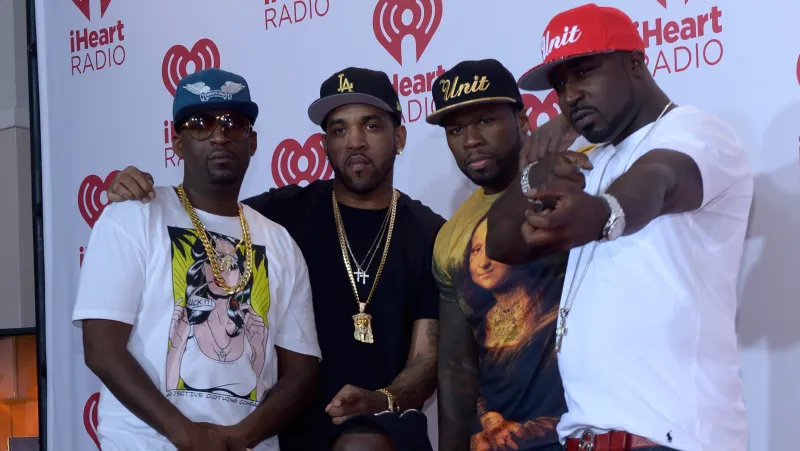
The American music landscape constantly changes through cultural movements, regional voices, and influential crews. Among these powerful trends, gangster unit culture became deeply connected with urban storytelling and independent ambition. Artists created stronger communities through shared experiences. Fans admired authentic voices from difficult neighborhoods. Street legends inspired powerful lyrical movements everywhere. Many listeners respected fearless musical creativity. The phrase gangster unit represented loyalty, discipline, and fearless confidence within competitive entertainment circles. During the early years of rap expansion, several influential performers adopted collective identities to strengthen their image and market presence. The concept created unity between performers and audiences. It also encouraged independent branding strategies nationwide. Young musicians studied successful entertainment partnerships carefully. Record labels recognized growing cultural influence rapidly. Across major American cities, gangster unit themes influenced fashion, conversation, and underground business relationships.
The connection between gangster unit identity and G Unit branding remains historically significant within hip hop culture. entity[“organization”,”G-Unit”,”Hip hop group and entertainment brand”] became more than a music collective because it represented ambition, resilience, and strategic business thinking. Fans appreciated emotionally honest musical storytelling greatly. Industry executives noticed impressive commercial growth quickly. Street culture merged with entrepreneurial thinking successfully. The crew expanded beyond traditional recording activities. Clothing lines, mixtapes, and business investments developed simultaneously through calculated leadership decisions. The gangster unit message encouraged personal strength despite environmental challenges. New artists copied similar branding methods nationwide. Independent creators developed stronger audience relationships online. Musical collaborations expanded through trusted partnerships naturally. Cultural movements transformed entertainment marketing approaches permanently. American audiences continued supporting authentic storytelling traditions. The influence still appears within modern rap communities.
How G Unit Changed American Hip Hop
When G Unit gained national recognition, the entertainment industry experienced a dramatic creative transformation. The group introduced fearless marketing campaigns and unforgettable mixtape releases. Fans shared underground recordings through local communities enthusiastically. Radio stations promoted aggressive street anthems frequently. Concert audiences celebrated energetic performances passionately everywhere. The gangster unit identity attracted listeners searching for authenticity and emotional realism within commercial rap music. Many performers previously struggled gaining mainstream recognition. G Unit members expanded their audience reach successfully. Their strategic collaborations increased commercial opportunities immediately. Independent mixtapes generated impressive street credibility rapidly. Rival artists responded through competitive musical innovation. The collective became associated with determination and survival. Fashion trends also evolved around their public image. Streetwear styles reflected confidence and urban resilience. Throughout America, gangster unit discussions influenced entertainment journalism and fan communities.
The business structure surrounding G Unit demonstrated remarkable intelligence during an evolving music industry period. Traditional labels previously controlled artist development aggressively. Independent branding opportunities remained extremely limited nationwide. Digital distribution methods changed promotional strategies permanently. G Unit adapted quickly through aggressive marketing campaigns. Their understanding of consumer behavior strengthened commercial performance. The gangster unit concept also encouraged fans to support artists beyond album purchases. Merchandise sales expanded through recognizable visual branding. Fans wore clothing representing personal street identity proudly. Interviews promoted loyalty and disciplined teamwork consistently. Media outlets highlighted entrepreneurial achievements alongside music. Younger artists learned valuable promotional techniques carefully. Business education quietly developed through entertainment examples. The organization proved creative independence could generate lasting success. Many current labels still follow similar strategies.
Street Fashion and Gangster Unit Expression
Fashion always reflects changing cultural attitudes and social movements throughout the United States. Gangster unit influence significantly affected urban clothing trends across multiple generations of fans and artists. Oversized jackets became powerful status symbols everywhere. Sneakers represented loyalty toward musical communities strongly. Accessories highlighted confidence and fearless personality traits. Street photography documented changing fashion movements continuously. Young audiences copied influential performers across neighborhoods. The gangster unit image communicated determination, ambition, and survival while maintaining connections with authentic urban experiences. Music videos increased visibility for emerging fashion trends. Designers collaborated with artists for broader exposure. Local businesses benefited from growing streetwear demand significantly. Clothing became associated with emotional self expression. Social media later accelerated nationwide fashion conversations. Fans analyzed artist appearances during public performances regularly. Gangster unit branding created recognizable visual consistency everywhere. Even today, retro styles inspired by G Unit continue appearing within American fashion culture.
American youth culture frequently adopts symbols connected with confidence, independence, and community respect. The gangster unit movement successfully combined all these emotional elements through music and fashion simultaneously. Creative branding expanded beyond traditional entertainment expectations quickly. Fans embraced personal identity through symbolic clothing proudly. Street culture influenced mainstream advertising campaigns nationwide eventually. Major corporations recognized growing commercial opportunities immediately. Television appearances increased cultural visibility across demographics significantly. Journalists explored deeper social themes surrounding fashion. Community conversations addressed representation and economic opportunity. Gangster unit popularity demonstrated how entertainment shapes personal identity development. Cultural analysts studied long term industry influence carefully. Fashion historians documented evolving streetwear traditions extensively. The movement became permanently connected with urban creativity. Younger generations continue discovering these influential cultural moments.
Media Influence and Public Perception
Public perception surrounding gangster unit culture often changed depending on media coverage and political discussions. Some commentators criticized aggressive artistic imagery and confrontational lyrical themes within mainstream rap entertainment. Others defended creative freedom and authentic storytelling passionately. Fans respected emotionally honest cultural representation strongly. Communities understood complex social realities more clearly. Artists expressed difficult experiences through musical creativity consistently. The gangster unit movement represented more than entertainment because it reflected economic struggle, ambition, loyalty, and survival within challenging environments. Television interviews shaped audience understanding continuously nationwide. Radio personalities debated controversial artistic themes frequently. Newspapers published mixed opinions regarding cultural influence. Academic researchers analyzed hip hop sociology extensively. Documentaries later explored broader entertainment industry transformations. Many critics underestimated positive entrepreneurial examples initially. Independent business ownership inspired younger creative professionals greatly. Gangster unit branding encouraged disciplined career development strategies. Over time, public conversations became more balanced.
The digital era completely transformed how audiences consumed gangster unit content and interacted with artists online. Streaming platforms increased accessibility for independent musicians dramatically. Social media strengthened direct audience communication immediately worldwide. Fans created discussion communities around favorite performers regularly. Viral content accelerated promotional visibility for newcomers rapidly. Online interviews revealed personal stories behind musical success. The gangster unit legacy continued influencing branding strategies through podcasts, video platforms, and digital marketing campaigns. Younger audiences discovered classic mixtapes through streaming. Cultural archives preserved influential musical moments permanently. Independent labels gained stronger negotiating power industrywide. Creative ownership became increasingly important for artists. Entertainment journalism evolved through online publishing platforms rapidly. Gangster unit discussions now include business innovation perspectives. Modern creators study historical marketing approaches carefully. The movement still shapes contemporary entertainment conversations nationwide.
The Lasting Legacy of G Unit
Today, the gangster unit identity continues influencing music, entrepreneurship, fashion, and community conversations throughout the United States. Many younger performers admire strategic branding techniques established by influential rap collectives during earlier decades. Independent artists pursue ownership opportunities aggressively today. Streaming revenue transformed entertainment business models permanently. Social media expanded promotional possibilities for creators. Cultural authenticity remains commercially valuable within entertainment. The gangster unit legacy demonstrates how disciplined teamwork and fearless ambition can create lasting public influence across multiple industries. Fans continue celebrating classic musical collaborations enthusiastically. Concert reunions generate excitement among longtime supporters regularly. Fashion brands reference iconic streetwear aesthetics frequently. Documentaries revisit influential hip hop history continuously. Industry professionals discuss entrepreneurial lessons from G Unit. The organization became associated with resilience and innovation. Gangster unit culture still inspires determined creative communities.
The future of American hip hop will likely continue reflecting ideas connected with gangster unit identity and independent creative control. Music constantly evolves through technology and social change. However, authentic storytelling remains emotionally powerful for audiences everywhere. Younger generations appreciate genuine cultural experiences deeply. Artists continue seeking stronger business independence nationally today. Creative partnerships encourage long term career sustainability effectively. The gangster unit influence survives because it represents confidence, loyalty, entrepreneurship, and resilience within highly competitive entertainment environments. New musicians study historical success strategies carefully. Fans preserve influential cultural memories through online communities. Media platforms continue discussing important industry transformations regularly. G Unit remains connected with powerful American hip hop history. Their cultural impact still inspires ambitious entertainers nationwide.
