

Introduction:
The digital business world moves fast, and with rapid growth often comes legal scrutiny. One term that has recently gained attention online is “BlingleLawsuit.” Whether you came across the phrase in search results, forums, or social media discussions, you may be wondering what it means and why people are talking about it.
In this article, we will explore the topic in depth, including possible reasons behind legal disputes involving businesses, how lawsuits impact companies and customers, what consumers should watch for, and how organizations can reduce legal risks. Rather than spreading speculation, this guide focuses on the broader context surrounding legal disputes in modern businesses and the lessons people can learn from them.
Table of Contents
Understanding the Meaning of BlingleLawsuit
The keyword “BlingleLawsuit” appears to combine a company or brand name with the word “lawsuit.” In general, when people search for a phrase like this, they are often looking for:
- Details about a legal dispute
- Consumer complaints
- Company controversies
- Settlement information
- Court case updates
- Business credibility concerns
Online interest in lawsuits has grown significantly because consumers today rely heavily on transparency before purchasing products or services. A single legal issue can influence public trust, customer loyalty, and brand reputation.
Why Lawsuits Against Businesses Happen
Legal disputes can arise in almost every industry. Companies may face lawsuits for several reasons, including misunderstandings, customer dissatisfaction, contract disputes, or regulatory violations.
Below are some common causes of business lawsuits.
1. Consumer Protection Claims
Many lawsuits involve claims that customers were misled by advertising, pricing, or service promises. Consumer protection laws exist to ensure companies communicate honestly and fairly.
Examples include:
- Misleading advertisements
- Hidden fees
- False product claims
- Poor disclosure practices
Businesses that fail to maintain transparency may face complaints that escalate into legal action.
2. Contract Disputes
Contracts form the foundation of business relationships. Disagreements can occur when one party believes another failed to meet agreed obligations.
Common contract-related disputes include:
- Payment disagreements
- Service delivery issues
- Partnership conflicts
- Vendor disagreements
Even small misunderstandings can become major legal problems if documentation is unclear.
3. Employment-Related Issues
Employees sometimes file lawsuits against companies over workplace conditions or treatment.
Typical employment claims may involve:
- Wrongful termination
- Wage disputes
- Workplace discrimination
- Harassment allegations
- Overtime payment concerns
Modern businesses must follow labor laws carefully to avoid legal complications.
4. Intellectual Property Violations
In today’s online environment, intellectual property is extremely valuable. Businesses may face legal claims related to:
- Trademark infringement
- Copyright violations
- Patent disputes
- Unauthorized content use
Companies operating online are especially vulnerable because digital content spreads quickly.
5. Data Privacy and Security Concerns
As businesses collect customer information, they become responsible for protecting it. Data breaches and privacy issues can trigger lawsuits if sensitive information is exposed.
Important areas of concern include:
- Customer data protection
- Payment security
- Unauthorized sharing of information
- Weak cybersecurity practices
Consumers increasingly prioritize companies that demonstrate strong privacy protection.
May be you like it:
Letterman Jacket Designs – Classic Meets Modern Style
Best Makeup Remover Oil for Clear, Radiant Skin
Luxury Fashion Trends 2022 – Elegance Redefined
Health and Wellness Newsletter – Your Weekly Life Boost
The Impact of Lawsuits on Businesses
A lawsuit can affect a company in multiple ways beyond the courtroom.
Reputation Damage
Public trust is one of the most valuable assets a business has. Legal controversies often create negative publicity that can reduce customer confidence.
Even if a company eventually wins a case, reputational harm may continue for years.
Financial Losses
Legal proceedings can become expensive. Businesses may face:
- Attorney fees
- Court costs
- Settlements
- Regulatory penalties
- Revenue decline
Small businesses are especially vulnerable because legal expenses can quickly strain resources.
Operational Disruptions
Management attention may shift away from daily operations during legal disputes. This can impact:
- Customer service
- Product development
- Employee morale
- Business growth
Companies dealing with lawsuits often struggle to maintain productivity.
Investor Concerns
Investors closely monitor legal risks. Serious lawsuits may reduce investor confidence and affect future funding opportunities.
For publicly traded companies, legal controversies can also impact stock prices.
How Consumers React to Business Lawsuits
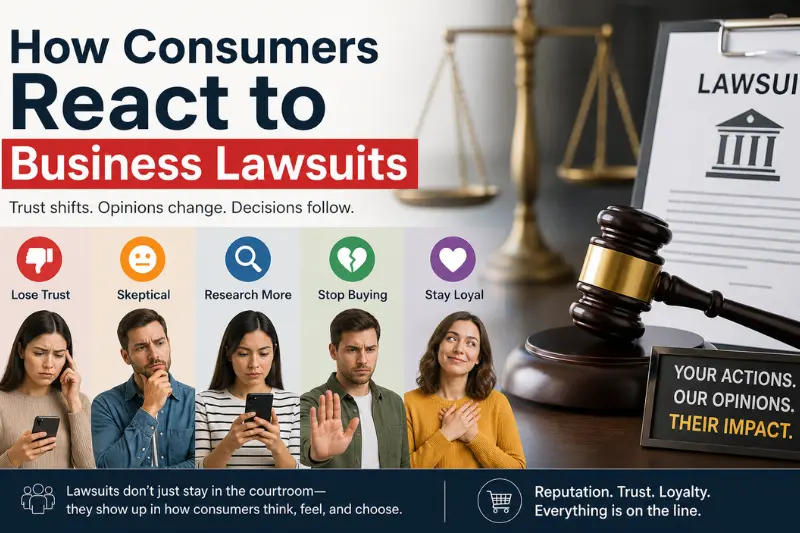
Modern consumers are highly informed. Before buying from a company, many people search online for reviews, complaints, and legal issues.
When a lawsuit becomes public, consumers may:
- Delay purchases
- Switch competitors
- Share negative opinions online
- Demand greater transparency
- Request refunds or cancellations
Social media amplifies public reactions rapidly, making reputation management more challenging than ever.
The Role of Social Media in Legal Controversies
Social media platforms play a major role in shaping public perception during lawsuits.
Information spreads quickly through:
- X (formerly Twitter)
- Reddit discussions
- TikTok videos
- YouTube commentary
- Facebook groups
While online discussions can increase awareness, they can also spread misinformation. That is why consumers should rely on verified sources rather than rumors.
How Businesses Can Prevent Legal Problems
Although no company can eliminate all risks, businesses can reduce the likelihood of lawsuits by following strong ethical and operational practices.
Maintain Transparent Communication
Clear communication helps build trust and reduce misunderstandings.
Businesses should:
- Explain policies clearly
- Avoid exaggerated marketing claims
- Provide accurate pricing
- Respond honestly to customer concerns
Transparency often prevents small issues from escalating.
Invest in Legal Compliance
Companies should stay informed about regulations affecting their industry.
Key areas include:
- Consumer protection laws
- Data privacy rules
- Employment regulations
- Advertising standards
- Tax obligations
Regular legal reviews can identify risks before they become serious problems.
Improve Customer Support
Strong customer service can prevent complaints from turning into lawsuits.
Helpful practices include:
- Fast response times
- Fair refund policies
- Professional communication
- Clear dispute resolution processes
Customers who feel heard are less likely to pursue legal action.
Document Everything
Proper documentation is essential for legal protection.
Businesses should maintain records of:
- Contracts
- Transactions
- Customer communications
- Policy agreements
- Employee documentation
Well-organized records strengthen a company’s defense during disputes.
May be you like it:
Vintage Jackets for Women – Timeless Retro Style
Makeup Looks for Wedding – Elegant & Timeless Styles
Trends in Fashion 2014 – The Styles That Ruled the Year
Lifestyle Baseball – Where Sport Meets Everyday Style
What Consumers Should Do Before Trusting a Business
If you encounter terms like “BlingleLawsuit” online, it is important to research carefully before making assumptions.
Check Reliable Sources
Look for information from:
- Official company statements
- Court records
- Reputable news outlets
- Government agencies
Avoid relying solely on viral social media posts.
Read Customer Reviews Carefully
Online reviews can reveal patterns of customer experiences.
Focus on:
- Repeated complaints
- Refund experiences
- Customer service quality
- Transparency issues
However, remember that not all reviews are genuine or balanced.
Understand the Difference Between Allegations and Facts
A lawsuit does not automatically mean a company is guilty. Legal cases involve allegations that must be reviewed through proper legal processes.
Consumers should avoid jumping to conclusions without verified evidence.
The Importance of Ethical Business Practices
Modern consumers value ethics more than ever. Companies that prioritize integrity often build stronger long-term reputations.
Ethical practices include:
- Honest marketing
- Fair pricing
- Respectful treatment of employees
- Responsible data handling
- Transparent communication
Businesses that ignore ethics may face both legal and reputational consequences.
How Online Searches Influence Brand Reputation
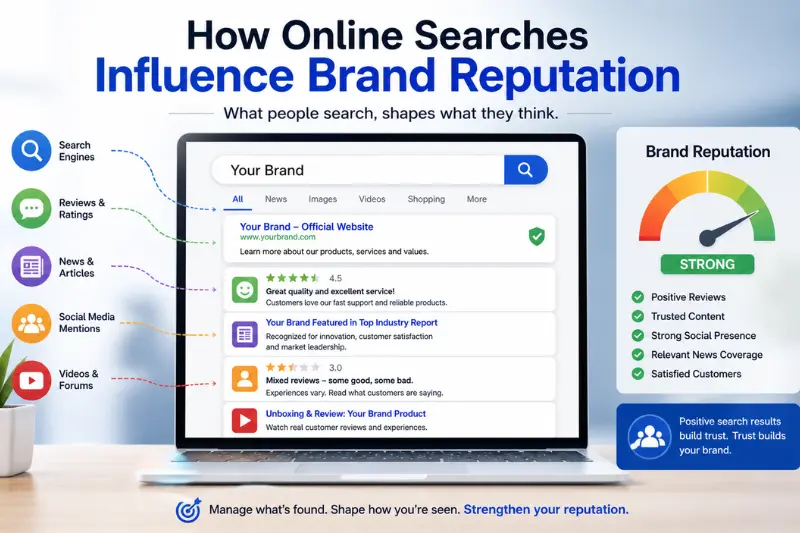
Search engines play a major role in shaping public opinion. When people search phrases like “BlingleLawsuit,” they may immediately associate a brand with controversy.
This creates long-term SEO and branding challenges because:
- Negative content may rank highly
- Public trust may decline
- Media attention can increase
- Competitors may benefit
That is why reputation management has become a critical business strategy.
Crisis Management During Legal Disputes
Companies facing lawsuits often use crisis management strategies to protect their reputation.
Effective approaches may include:
Public Statements
Clear and professional communication helps reduce confusion and speculation.
Internal Investigations
Businesses may review internal practices to identify potential issues and improve policies.
Legal Cooperation
Cooperating with legal authorities can demonstrate accountability and professionalism.
Customer Engagement
Maintaining communication with customers helps preserve trust during difficult periods.
Lessons Businesses Can Learn from Legal Disputes
Every legal controversy offers important lessons for businesses.
Transparency Matters
Customers expect honesty. Hidden information can quickly damage credibility.
Reputation Is Fragile
Building trust takes years, but losing it can happen quickly.
Prevention Is Better Than Litigation
Investing in compliance, training, and customer support is often cheaper than dealing with lawsuits.
Online Perception Has Real Consequences
Digital discussions significantly influence business success today.
The Future of Business Accountability
Consumers now expect higher standards from companies than ever before. Businesses are increasingly held accountable for:
- Ethical conduct
- Data privacy
- Workplace treatment
- Environmental impact
- Marketing honesty
As online awareness grows, companies that fail to adapt may face greater scrutiny and legal challenges.
Final Thoughts on BlingleLawsuit
The growing interest around “BlingleLawsuit” reflects a broader trend in today’s digital world where consumers actively research companies before making decisions. Legal disputes can affect businesses financially, operationally, and reputationally, while also influencing customer trust.
For consumers, the key takeaway is to research carefully, rely on verified information, and distinguish between allegations and confirmed facts. For businesses, the lesson is even more important: transparency, ethical behavior, and strong customer relationships are essential for long-term success.
May be you like it:
DST Jackets – Trendy Designs for Every Season
Makeup 50s – Timeless Beauty Trends That Still Inspire
latest trends in fashion for ladies 2025 hamptons
Lifestyle at Los Paseos – Modern Living & Community Vibes
