

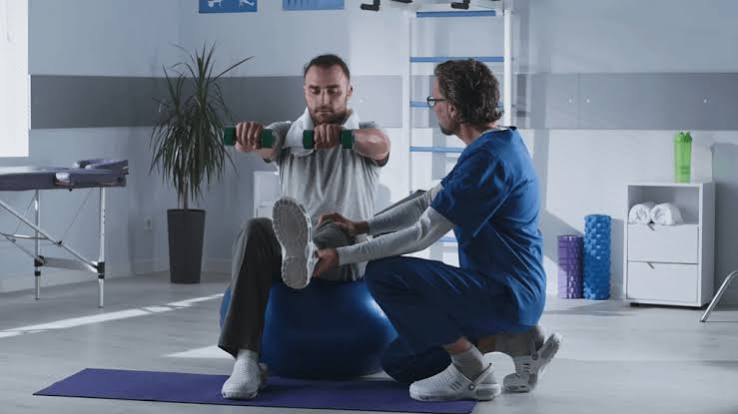
Living with movement limitations, joint stiffness, or persistent pain affects every aspect of daily life. Simple activities—like picking up groceries, taking a neighborhood walk, or sitting through a workday—can turn into daunting challenges. While resting or reaching for temporary remedies might offer momentary relief, long-term recovery requires addressing the root cause of physical dysfunction through tailored care from Atlas Physical Therapy.
When pain or injury disrupts your routine, working with experienced clinical professionals creates a structured pathway to recovery. Through personalized care and modern rehabilitation techniques, specialized clinics focus on providing exceptional, hands-on care to help patients achieve their maximum physical potential. By combining clinical expertise with customized treatment plans, physical therapy empowers individuals to rebuild strength, improve flexibility, and regain confidence in their bodies.
Table of Contents
The Role of Targeted Physical Therapy in Modern Healthcare
Physical therapy is far more than a set of routine exercises. It is a specialized branch of healthcare focused on restoring function, enhancing movement, and preventing future injuries. Whether recovering from an acute sports trauma, dealing with age-related joint degradation, or managing post-surgical rehabilitation, physical therapy provides a structured pathway toward recovery.
Breaking the Cycle of Chronic Pain
Chronic conditions, particularly low back pain and neck strain, often result from underlying mechanical imbalances. When one muscle group is weak or overworked, surrounding tissues overcompensate, creating a continuous cycle of discomfort. Physical therapists conduct comprehensive biomechanical assessments to identify these imbalances, using targeted interventions to restore natural alignment and movement mechanics.
Accelerating Post-Surgical & Injury Recovery
After surgery or acute trauma, tissues require careful, progressive stress to heal correctly. Controlled movement prevents stiffness, reduces scar tissue formation, and speeds up cellular repair. Working with a dedicated physical therapist ensures that recovery progresses safely without risking re-injury.
The Core Foundations of Effective Rehabilitation
Achieving complete physical recovery requires a comprehensive, multi-faceted strategy rather than a single isolation movement. Physical therapists utilize several core disciplines during rehabilitation to address different aspects of musculoskeletal health.
1. Manual Therapy and Joint Mobilization
Manual therapy involves hands-on techniques where therapists manipulate soft tissue and joints to alleviate pain, reduce inflammation, and increase range of motion. Unlike passive stretching, skilled manual therapy targets specific capsular restrictions within joints and breaks down soft tissue adhesions caused by previous injuries or surgeries.
2. Therapeutic Exercise and Neuromuscular Re-Education
Movement re-education is critical when muscle firing patterns become disrupted due to pain. Therapeutic exercise focuses on building functional stability, core strength, and endurance. Through specific cues and progressive resistance, patients re-learn correct movement mechanics, ensuring that joints are properly supported during everyday activities like lifting, twisting, or running.
3. Modalities and Advanced Techniques
Modern practices integrate specialized modalities to complement exercise and manual work. Tools such as trigger point dry needling, electrical stimulation, ultrasound, and heat/ice therapies are strategically applied to reduce muscle spasms, manage acute pain, and accelerate blood flow to damaged tissues.
Why Hands-On, Personalized Care Matters
No two bodies heal in precisely the same way. Cookie-cutter exercise sheets rarely deliver lasting results because they fail to address individual anatomical differences, personal movement habits, and specific health goals.
True progress relies on a patient-centered approach that prioritizes individualized care and interactive clinical techniques. Facilities such as atlasptsc.com emphasize targeted, direct interventions designed to help individuals recover efficiently across all stages of healing. This level of engagement allows therapists to monitor movement patterns in real time, make immediate manual adjustments, and adapt treatments as physical capacity improves.
Understanding Biomechanical Individuality
Every individual presents a unique combination of flexibility, postural habits, and muscle strength. A runner suffering from knee pain may require hip stabilization work, while an office worker with the same knee symptom might need hamstring lengthening and ankle mobility exercises. Personalized physical therapy identifies these individual nuances to treat the source of the issue, not just the symptomatic area.
Common Conditions Treated Through Physical Therapy
Physical therapy addresses a wide spectrum of musculoskeletal issues. Below are several key conditions where structured therapeutic intervention yields transformative results:
Low Back and Neck Pain
Spinal discomfort is one of the leading causes of workplace absence and movement restriction. Through a combination of spinal mobilization, core stabilization exercises, and ergonomic retraining, physical therapy targets nerve compression and muscle strain at their root source.
Joint Injuries (Knees, Shoulders, and Hips)
Ligament sprains, tendonitis, rotator cuff tears, and joint wear-and-tear significantly limit range of motion. Rehabilitation focuses on strengthening the stabilizing muscles around the affected joint, reducing joint pressure, and restoring fluid, pain-free motion.
Balance, Gait, and Vestibular Disorders
Instability while walking or persistent dizziness severely compromises independence, particularly in older adults. Specialized balance training and vestibular rehabilitation help retrain the inner ear and nervous system, lowering the risk of falls and improving overall movement safety.
Post-Surgical Rehabilitation
Recovering from joint replacements, ACL reconstructions, or spinal surgeries requires a carefully staged protocol. Physical therapists guide patients through progressive phases—starting with swelling management and gentle range of motion, moving toward weight-bearing exercises, and finishing with full functional strength restoration.
The Long-Term Benefits of Physical Wellness
Choosing physical therapy as a primary intervention offers numerous advantages that extend far beyond initial pain relief:
- Avoiding Invasive Procedures: In many cases, targeted rehabilitation can eliminate the need for costly and risky surgical interventions by restoring proper joint function naturally.
- Reducing Reliance on Medication: By treating the underlying cause of discomfort, physical therapy reduces or eliminates the need for long-term prescription painkillers or anti-inflammatory drugs.
- Preventing Future Injuries: Learning proper lifting techniques, postural awareness, and bodily mechanics lowers the likelihood of recurrent strains or re-injuring treated areas.
- Improving Overall Athletic Performance: Athletes benefit from functional movement screening and biomechanical tuning, which optimizes power output, endurance, and flexibility.
Practical Steps to Maximize Your Rehabilitation Progress
To get the most out of your physical therapy journey, active participation is essential. Recovery is a collaborative partnership between patient and therapist. Here are four practical ways to ensure optimal results:
| Step | Focus Area | Action Plan |
|---|---|---|
| 1 | Consistency | Attend all scheduled clinical sessions and strictly complete prescribed home exercise routines. |
| 2 | Communication | Report changes in pain, difficulty with movements, or daily struggles so treatments can be adjusted promptly. |
| 3 | Movement Quality | Prioritize proper form over exercise quantity or heavy resistance. Precise technique ensures safety and effectiveness. |
| 4 | Recovery Practices | Support physical therapy with healthy lifestyle habits, including adequate sleep, proper hydration, and balanced nutrition. |
Integrating Movement into Everyday Life
Recovery does not stop when you leave the clinic. The ultimate goal of physical therapy is to equip patients with the tools, habits, and knowledge necessary to maintain movement health independently.
Ergonomics in the Workplace
For desk-bound professionals, maintaining healthy posture is vital. Adjusting monitor height, using lumbar support, and taking brief breaks every 45 to 60 minutes to stretch can dramatically reduce strain on the cervical and lumbar spine.
Daily Mobility Routines
Incorporating 5 to 10 minutes of targeted dynamic stretching into your morning or evening routine keeps joints lubricated and muscles pliable. Small, daily movement habits prevent the stiffness that accumulates from prolonged sitting or repetitive daily tasks.
Frequently Asked Questions (FAQs)
How soon should I start physical therapy after an injury?
In most cases, early intervention leads to faster recovery outcomes. Consulting a physical therapist shortly after an injury—once acute conditions like fractures have been ruled out by medical evaluation—helps minimize inflammation and prevents compensatory movement habits from setting in.
What should I wear to my physical therapy appointment?
Wear loose, comfortable athletic clothing and supportive footwear, such as running or training shoes. Your therapist will need clear access to the affected joint or muscle group to perform physical evaluations, manual therapy, and movement assessments.
How long does a typical physical therapy program last?
Treatment duration varies depending on the severity of the condition, your overall health, and your recovery goals. Mild soft tissue injuries may resolve in 4 to 6 weeks, while complex post-surgical rehabilitation may require several months of consistent, structured care.
Can physical therapy help if I’ve had pain for years?
Yes. Chronic pain often involves long-standing movement adaptations and altered neural pathways. Physical therapy helps re-educate the nervous system, release tight structures, and strengthen weakened muscles, providing relief even for chronic, long-term conditions.
Conclusion
Overcoming movement limitations and living without persistent pain is not just about managing daily symptoms—it is about restoring your independence and returning to the activities that bring value to your life. By partnering with skilled clinical professionals who prioritize hands-on care, individualized exercise programming, and root-cause treatments, you take a proactive stance toward lifelong physical wellness. Investing in your physical health today lays the foundation for a stronger, more resilient tomorrow.
