

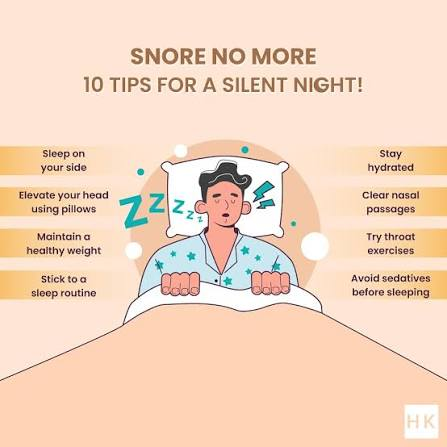
Getting a good night’s sleep is one of the most important factors for maintaining overall health and well-being. Unfortunately, millions of adults struggle with poor sleep quality caused by snoring, sleep-disordered breathing, stress, or an uncomfortable sleeping environment. While occasional snoring may seem harmless, persistent snoring can disrupt sleep for both the individual and their partner, leading to fatigue, irritability, and reduced productivity.
Fortunately, improving sleep quality doesn’t always require complicated treatments. Healthy lifestyle changes, proper sleep habits, and modern anti-snoring devices can make a significant difference. For people exploring oral appliances, understanding product policies before making a purchase is equally important. Resources such as the Snorple guide to the SnoreRx refund policy help consumers make informed buying decisions while learning more about anti-snoring mouthpieces.
Why Quality Sleep Matters
Quality sleep affects nearly every system in the body. During sleep, your body repairs tissues, strengthens the immune system, balances hormones, and supports brain function.
People who consistently get restorative sleep often experience:
- Better concentration and memory
- Improved mood
- Higher energy levels
- Stronger immune function
- Better heart health
- Improved metabolism
- Reduced stress levels
Poor sleep, on the other hand, increases the risk of chronic health conditions and reduces overall quality of life.
Common Causes of Poor Sleep
Several factors can interfere with healthy sleep.
| Cause | How It Affects Sleep | Possible Solution |
|---|---|---|
| Snoring | Interrupted breathing and frequent awakenings | Anti-snoring mouthpiece |
| Sleep Apnea | Reduced oxygen during sleep | Medical evaluation or CPAP |
| Stress | Difficulty falling asleep | Relaxation techniques |
| Poor Sleep Habits | Inconsistent sleep schedule | Better sleep routine |
| Alcohol Before Bed | Relaxes throat muscles | Limit evening alcohol |
| Obesity | Increased airway obstruction | Weight management |
Understanding the underlying cause is the first step toward improving sleep quality.
Why Snoring Happens
Snoring occurs when airflow is partially blocked while sleeping. As air passes through narrowed tissues in the throat, those tissues vibrate, creating the familiar snoring sound.
Several factors can increase the likelihood of snoring:
Age
As people get older, muscle tone naturally decreases, making the airway more likely to collapse during sleep.
Sleeping Position
Sleeping on your back allows the tongue and soft tissues to fall backward, narrowing the airway.
Weight
Excess body weight, particularly around the neck, places additional pressure on the airway.
Nasal Congestion
Seasonal allergies, colds, or sinus problems can restrict airflow and contribute to snoring.
Alcohol Consumption
Alcohol relaxes throat muscles, making airway obstruction more likely.
How Snoring Affects Sleep Quality
Many people underestimate the impact of snoring.
Snoring can cause:
- Frequent nighttime awakenings
- Reduced deep sleep
- Daytime fatigue
- Morning headaches
- Poor concentration
- Irritability
- Relationship stress between couples
In some cases, loud snoring may indicate obstructive sleep apnea, a condition that requires professional medical evaluation.
Healthy Habits That Improve Sleep Quality
Simple lifestyle improvements often reduce snoring while promoting deeper sleep.
Maintain a Consistent Sleep Schedule
Going to bed and waking up at the same time every day helps regulate your body’s internal clock.
Create a Comfortable Sleep Environment
A cool, dark, and quiet bedroom encourages uninterrupted sleep.
Consider:
- Blackout curtains
- Comfortable mattress
- Supportive pillow
- Reduced screen time before bed
Exercise Regularly
Moderate physical activity helps improve sleep quality and supports healthy breathing during sleep.
Even a daily walk can contribute to better rest.
Manage Your Weight
Maintaining a healthy weight reduces pressure around the airway, decreasing the likelihood of snoring.
Avoid Heavy Meals Before Bed
Large meals close to bedtime may increase discomfort and make restful sleep more difficult.
Anti-Snoring Mouthpieces
One of the most popular non-invasive solutions for snoring is an anti-snoring mouthpiece.
These devices gently reposition the lower jaw or tongue to keep the airway open throughout the night.
Benefits of Mouthpieces
- Easy to use
- Non-surgical
- Portable
- Comfortable after adjustment
- Often effective for mild to moderate snoring
- May improve sleep for both partners
Many people prefer mouthpieces because they provide an alternative to more complex treatment options.
Before purchasing any oral appliance, it’s worth reviewing return and satisfaction policies. Helpful resources like the Snorple SnoreRx refund policy guide explain what consumers should know before choosing an anti-snoring device.
CPAP Alternatives
Continuous Positive Airway Pressure (CPAP) therapy remains one of the most effective treatments for moderate to severe obstructive sleep apnea. However, some people find CPAP equipment uncomfortable or difficult to use consistently.
Depending on the underlying cause of snoring and after consultation with a healthcare professional, possible alternatives may include:
Oral Appliances
Custom or adjustable mouthpieces can help maintain an open airway during sleep for suitable candidates.
Positional Therapy
Some individuals snore primarily while sleeping on their back. Positional therapy encourages side sleeping to reduce airway obstruction.
Lifestyle Modifications
Weight management, limiting alcohol before bedtime, regular exercise, and maintaining healthy sleep habits can significantly reduce snoring in many cases.
These approaches may not replace CPAP for everyone, but they can be effective options for individuals with primary snoring or certain mild sleep-related breathing issues.
Better Sleep for Couples
Snoring doesn’t only affect the person making the noise—it often impacts their partner as well. Interrupted sleep can lead to fatigue, frustration, and even strain relationships over time. Fortunately, couples can work together to create a healthier sleep environment.
Encourage Healthy Sleep Habits
Healthy routines benefit both partners and can reduce the frequency and severity of snoring.
Some helpful habits include:
- Going to bed at the same time each night
- Avoiding caffeine late in the day
- Limiting alcohol before bedtime
- Keeping the bedroom cool and quiet
- Reducing screen time at least an hour before sleep
Communicate Openly
Snoring can be a sensitive topic. Discussing concerns respectfully and focusing on finding solutions together can make the process much easier.
Choose the Right Sleep Products
Supportive pillows, comfortable mattresses, and anti-snoring devices may improve sleep quality for both partners. Testing different solutions can help identify what works best.
Choosing the Right Anti-Snoring Solution
There is no one-size-fits-all solution for snoring. The most effective option depends on the underlying cause, severity, and overall health of the individual.
| Solution | Best For | Advantages | Considerations |
|---|---|---|---|
| Lifestyle Changes | Mild snoring | Natural and cost-effective | Requires consistency |
| Anti-Snoring Mouthpiece | Mild to moderate snoring | Comfortable, portable, non-invasive | May require adjustment period |
| Nasal Strips | Nasal congestion | Easy to use | Limited effectiveness for throat snoring |
| CPAP Therapy | Moderate to severe sleep apnea | Highly effective | Requires medical diagnosis and regular use |
| Positional Therapy | Back sleepers | Simple and affordable | Not effective for every sleeper |
Consulting a healthcare professional is recommended if snoring is frequent, very loud, or accompanied by pauses in breathing during sleep.
Latest Trends in Sleep Health
Sleep science continues to evolve, and several recent trends are helping people improve their rest.
Personalized Sleep Tracking
Smartwatches and sleep trackers now provide detailed insights into sleep duration, sleep stages, heart rate, and nighttime movement. While these tools are not medical devices, they can help users identify patterns and improve sleep habits.
Growing Interest in Non-Invasive Solutions
Many people are looking for alternatives to surgery or complex equipment. Adjustable anti-snoring mouthpieces, positional therapy devices, and sleep coaching are becoming increasingly popular.
Increased Awareness of Sleep Hygiene
Healthcare professionals continue to emphasize the importance of consistent sleep routines, stress management, and a healthy bedroom environment as the foundation of better sleep.
Focus on Overall Wellness
Quality sleep is now recognized as a key pillar of overall health, alongside nutrition and regular physical activity. Improving sleep can positively affect mood, productivity, immune function, and long-term well-being.
When to Seek Medical Advice
Although occasional snoring is common, certain symptoms may indicate a more serious condition such as obstructive sleep apnea.
Seek medical evaluation if you experience:
- Loud snoring most nights
- Pauses in breathing during sleep
- Choking or gasping while asleep
- Excessive daytime sleepiness
- Morning headaches
- Difficulty concentrating
- High blood pressure associated with poor sleep
Early diagnosis and treatment can improve sleep quality and reduce the risk of long-term health complications.
Tips for Long-Term Sleep Improvement
Maintaining healthy sleep habits is the key to lasting results.
Follow a Consistent Routine
Go to bed and wake up at the same time every day, even on weekends.
Stay Physically Active
Regular exercise supports better sleep and overall health.
Limit Stimulants
Reduce caffeine and nicotine intake later in the day to avoid disrupting your sleep cycle.
Optimize Your Bedroom
A comfortable mattress, supportive pillow, cool temperature, and minimal noise create an ideal sleeping environment.
Stay Informed
When researching anti-snoring products, it’s important to understand product features, warranties, and return policies before making a purchase. Trusted educational resources such as Snorple provide valuable information that helps consumers make confident and informed decisions.
Frequently Asked Questions
What is the fastest way to improve sleep quality?
Developing a consistent sleep schedule, reducing screen time before bed, and addressing snoring or breathing issues are among the most effective ways to improve sleep.
Can an anti-snoring mouthpiece really work?
Many people with mild to moderate snoring find relief using properly fitted oral appliances. Effectiveness varies depending on the cause of snoring.
Is CPAP the only treatment for snoring?
No. CPAP is primarily used for moderate to severe obstructive sleep apnea. Lifestyle changes, oral appliances, and positional therapy may be suitable for some individuals after proper evaluation.
How does snoring affect couples?
Snoring can interrupt a partner’s sleep, leading to fatigue, irritability, and reduced relationship satisfaction. Addressing snoring often improves sleep quality for both people.
When should I see a doctor about snoring?
If snoring is frequent, loud, accompanied by pauses in breathing, or causes excessive daytime sleepiness, consult a healthcare professional for an evaluation.
Conclusion
Improving sleep quality is one of the best investments you can make in your overall health. Better sleep supports physical recovery, mental clarity, emotional well-being, and long-term wellness. While occasional snoring is common, persistent snoring should not be ignored, especially if it disrupts your sleep or affects your partner.
Simple lifestyle changes, healthy sleep habits, and effective anti-snoring solutions can make a significant difference. For individuals exploring oral appliances, understanding product details and return policies before purchasing helps ensure a better experience. Taking a proactive approach today can lead to quieter nights, more restful sleep, and healthier mornings for both you and your partner.
