

How to Manage Pelvic Pain Naturally
Pelvic pain is a common health concern that affects people of all ages, especially women. It can interfere with daily activities, exercise, work, and even sleep. While some cases are temporary, others become chronic and require specialized care. Understanding the possible causes and learning effective ways to manage symptoms can make a significant difference in your quality of life.
If pelvic discomfort continues for weeks or months, it is important not to ignore it. Seeking guidance from professionals such as Rebecca’s Physical Therapy can help identify the underlying cause and create a personalized treatment plan based on evidence-based physical therapy techniques.
Table of Contents
What Is Pelvic Pain?
Pelvic pain refers to discomfort felt in the lower abdomen, pelvis, hips, or lower back. The pain may be sharp, dull, aching, burning, or pressure-like. It can occur occasionally or become a long-term condition that affects everyday life.
Some people experience pain only during certain activities, while others feel it continuously. The severity also varies greatly from person to person.
Common Causes of Pelvic Pain
Pelvic pain can develop for many different reasons. Identifying the root cause is the first step toward effective treatment.
Pelvic Floor Muscle Dysfunction
The pelvic floor consists of muscles that support the bladder, bowel, and reproductive organs. When these muscles become too tight, too weak, or uncoordinated, they may cause pain and discomfort.
Pregnancy and Childbirth
Pregnancy places additional pressure on the pelvis and surrounding muscles. Hormonal changes also loosen ligaments, which may contribute to instability and pain. After childbirth, many women continue experiencing pelvic discomfort as their bodies recover.
Endometriosis
This condition occurs when tissue similar to the uterine lining grows outside the uterus. It often causes chronic pelvic pain, painful periods, and discomfort during daily activities.
Urinary Conditions
Frequent urinary tract infections, bladder irritation, or painful bladder syndrome can all contribute to pelvic pain.
Digestive Disorders
Conditions such as irritable bowel syndrome (IBS), constipation, or inflammatory bowel diseases sometimes cause discomfort in the pelvic region.
Previous Surgery or Injury
Scar tissue from surgeries or injuries may affect muscle movement and nerve function, resulting in ongoing pain.
Symptoms That Should Not Be Ignored
Pelvic pain may be accompanied by other symptoms, including:
- Lower abdominal aching
- Pain during sitting
- Pain during exercise
- Pain during pregnancy
- Pain after childbirth
- Pain during intimacy
- Frequent urination
- Urinary leakage
- Constipation
- Lower back pain
- Hip discomfort
If symptoms continue for several weeks or become more severe, professional evaluation is recommended.
Risk Factors
Several factors increase the likelihood of developing pelvic pain.
Pregnancy
Changes in posture, hormones, and muscle strength may contribute to discomfort.
Repetitive Heavy Lifting
Jobs requiring frequent lifting place additional stress on the pelvic muscles.
Poor Posture
Long hours of sitting with improper posture can increase muscle tension throughout the pelvis.
Stress
Emotional stress often causes muscles to tighten, including the pelvic floor muscles.
Aging
Muscles naturally weaken over time, increasing the risk of dysfunction.
Natural Ways to Manage Pelvic Pain
Many people find relief through conservative, non-surgical treatments.
Stay Physically Active
Gentle movement improves circulation and reduces muscle stiffness.
Activities such as:
- Walking
- Swimming
- Light cycling
- Gentle stretching
can often reduce discomfort.
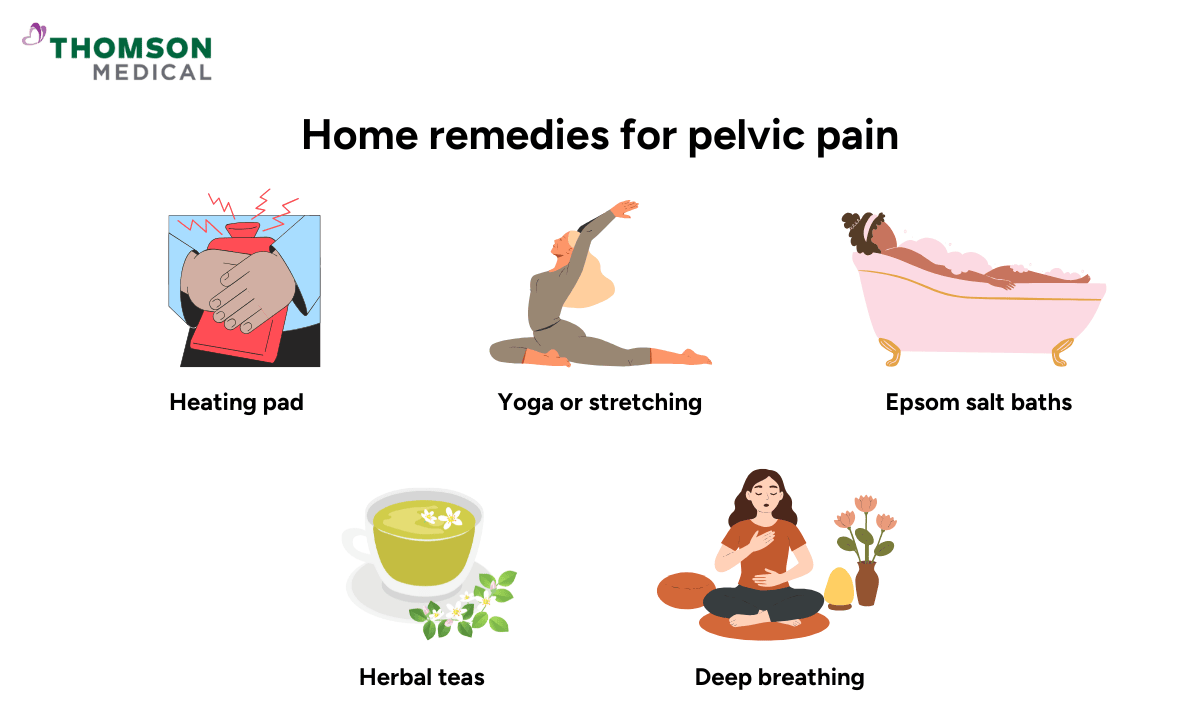
Practice Deep Breathing
Deep breathing encourages relaxation of the pelvic floor muscles and reduces unnecessary tension.
Spend five to ten minutes daily practicing slow breathing exercises.
Improve Your Posture
Maintaining proper alignment while sitting, standing, and lifting reduces strain on the pelvis.
Simple ergonomic adjustments at work may also help.
Apply Heat
A warm heating pad or hot bath can relax muscles and temporarily relieve pain.
Stretch Carefully
Gentle stretching of the hips, lower back, and thighs may improve flexibility around the pelvis.
Avoid aggressive stretching if it increases pain.
Stay Hydrated
Proper hydration supports muscle function and overall tissue health.
Maintain a Healthy Weight
Excess body weight places additional stress on the pelvic region.
Healthy nutrition combined with regular activity supports long-term recovery.
How Physical Therapy Helps
Physical therapy has become one of the most effective conservative treatments for pelvic pain.
Unlike medications that mainly reduce symptoms, physical therapy addresses the underlying movement problems contributing to discomfort.
Treatment may include:
Individual Assessment
Every patient experiences pelvic pain differently. A detailed evaluation helps identify the specific muscles, joints, or nerves involved.
Manual Therapy
Hands-on techniques help release tight muscles, improve joint mobility, and reduce tissue restrictions.
Pelvic Floor Muscle Training
Exercises are designed according to whether muscles need strengthening, relaxation, or improved coordination.
Core Strengthening
A strong core supports proper pelvic stability and reduces unnecessary strain.
Movement Education
Patients learn better movement habits for sitting, standing, lifting, exercising, and daily activities.
Home Exercise Programs
Customized exercises encourage continued improvement outside the clinic.
Many people searching for professional care choose Pelvic Pain Mount Pleasant SC services because specialized pelvic floor physical therapists focus on treating the source of pain instead of only masking symptoms.
Lifestyle Changes That Support Recovery
Small lifestyle improvements often produce meaningful long-term results.
Get Enough Sleep
Quality sleep helps tissues repair and reduces inflammation.
Reduce Stress
Yoga, meditation, and mindfulness can lower muscle tension throughout the body.
Avoid Long Periods of Sitting
Take breaks every 30 to 60 minutes to stretch and walk.
Eat Anti-Inflammatory Foods
Include:
- Fruits
- Vegetables
- Whole grains
- Lean proteins
- Healthy fats
These foods support healing and overall wellness.
Pelvic Pain During Pregnancy
Pregnancy-related pelvic pain is extremely common.
As the baby grows, increased pressure affects muscles, ligaments, and joints around the pelvis.
Helpful strategies include:
- Prenatal exercises
- Gentle stretching
- Proper lifting techniques
- Wearing supportive footwear
- Sleeping with a pillow between the knees
- Working with a pelvic health physical therapist
Early intervention often prevents symptoms from becoming worse.
Pelvic Pain After Childbirth
Recovery after childbirth varies from person to person.
Some women experience:
- Pelvic pressure
- Urinary leakage
- Weak core muscles
- Pain with movement
- Scar discomfort after C-section
Physical therapy helps restore muscle coordination, strength, and confidence during recovery.
When Should You See a Healthcare Professional?
Seek professional evaluation if you experience:
- Severe pain
- Fever with pelvic pain
- Blood in urine
- Difficulty walking
- Persistent pain lasting more than several weeks
- Pain interfering with work or sleep
- Pain that worsens over time
Early diagnosis often leads to faster recovery and better long-term outcomes.
Preventing Future Pelvic Pain
Although not every case can be prevented, healthy habits reduce your risk.
Try to:
- Exercise regularly
- Maintain healthy posture
- Lift objects correctly
- Strengthen your core
- Stay hydrated
- Manage stress
- Avoid prolonged sitting
- Seek treatment early if symptoms appear
Consistency is key to maintaining pelvic health.
Frequently Asked Questions
Can pelvic pain go away on its own?
Some mild cases improve with rest and self-care, but persistent or recurring pain should be evaluated by a healthcare professional.
Is walking good for pelvic pain?
For many people, gentle walking improves circulation, reduces stiffness, and promotes recovery. However, if walking increases pain, consult a healthcare provider.
Does physical therapy really help pelvic pain?
Yes. Pelvic floor physical therapy is widely recognized as an effective, evidence-based treatment for many types of pelvic pain, urinary issues, and pregnancy-related discomfort.
How long does recovery take?
Recovery depends on the underlying cause, severity, and consistency with treatment. Some people notice improvement within a few weeks, while others require several months of therapy.
Conclusion
Pelvic pain is more than just an uncomfortable symptom—it can affect your physical health, emotional well-being, and daily routine. Fortunately, many cases respond well to conservative treatment, healthy lifestyle changes, and specialized physical therapy. Recognizing symptoms early and seeking appropriate care can prevent long-term complications and improve your overall quality of life.
Whether your discomfort is related to pregnancy, muscle dysfunction, injury, or another underlying condition, a personalized treatment approach offers the best chance for lasting relief. With the right guidance and consistent care, it is possible to regain comfort, restore movement, and return to the activities you enjoy with confidence.
